
Sales Demos
Demo Follow-Up Email Templates That Get Replies
 Daniel SemeckyOct 17, 2026 · 10 min
Topic
Inbound sales is the practice of selling to buyers who came to you — people already researching a solution on your website. Instead of cold outreach, you meet demand that already exists, prioritizing the highest-intent visitors and engaging them in the moment their interest peaks.
The modern buyer does the majority of their research before ever talking to sales. By the time someone is reading your pricing page or comparing you against a competitor, they have a problem they are actively trying to solve. Inbound sales is about catching that intent before it cools — routing the right visitor to the right conversation while they are still on the page.
Done well, inbound sales shortens the gap between marketing and revenue: the same traffic your content and ads already generate becomes pipeline, because high-intent visitors get a fast, human response instead of a contact form and a 24-hour wait.
Daniel SemeckyOct 17, 2026 · 10 min Daniel SemeckyOct 15, 2026 · 11 min
 Nilas MylerOct 14, 2026 · 11 min
 Daniel SemeckyOct 11, 2026 · 10 min
 Daniel SemeckyOct 9, 2026 · 10 min
 Daniel SemeckyOct 8, 2026 · 11 min
 Daniel SemeckyOct 4, 2026 · 11 min
 Daniel SemeckyOct 2, 2026 · 11 min
 Daniel SemeckyOct 1, 2026 · 11 min
 Daniel SemeckySep 27, 2026 · 10 min
 Daniel SemeckySep 26, 2026 · 9 min
 Daniel SemeckySep 20, 2026 · 11 min
 Daniel SemeckySep 18, 2026 · 10 min
 Daniel SemeckySep 17, 2026 · 11 min
 Daniel SemeckySep 13, 2026 · 11 min
 Daniel SemeckySep 12, 2026 · 10 min
 Daniel SemeckySep 11, 2026 · 12 min
 Daniel SemeckySep 6, 2026 · 10 min
 Daniel SemeckySep 5, 2026 · 11 min
 Daniel SemeckyAug 31, 2026 · 10 min
 Daniel SemeckyAug 29, 2026 · 10 min
 Nilas MylerAug 29, 2026 · 10 min
 Daniel SemeckyAug 27, 2026 · 11 min
 Daniel SemeckyAug 23, 2026 · 10 min
 Daniel SemeckyAug 22, 2026 · 9 min
 Daniel SemeckyAug 21, 2026 · 10 min
 Daniel SemeckyAug 17, 2026 · 11 min
 Daniel SemeckyAug 15, 2026 · 10 min
 Nilas MylerJul 6, 2026 · 9 min
 Nilas MylerJul 1, 2026 · 10 min
 Daniel SemeckyJun 24, 2026 · 14 min
 Daniel SemeckyJun 20, 2026 · 7 min
 Nilas MylerJun 18, 2026 · 8 min
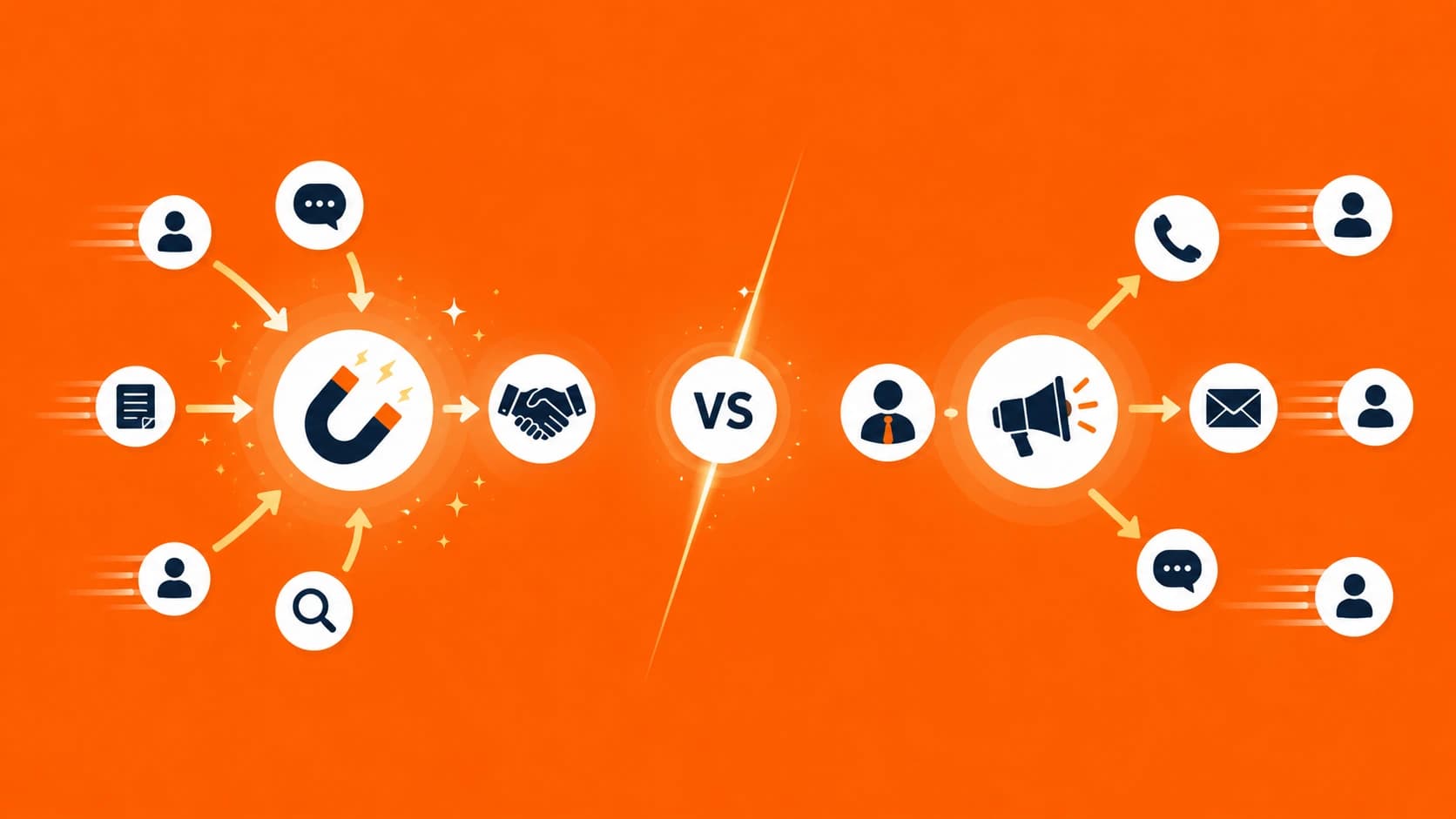
Outbound sales starts with the seller reaching out to prospects who have not expressed interest (cold calls, cold email). Inbound sales starts with the buyer — you engage people who have already arrived on your site or raised their hand, so the conversation begins with demand that already exists.
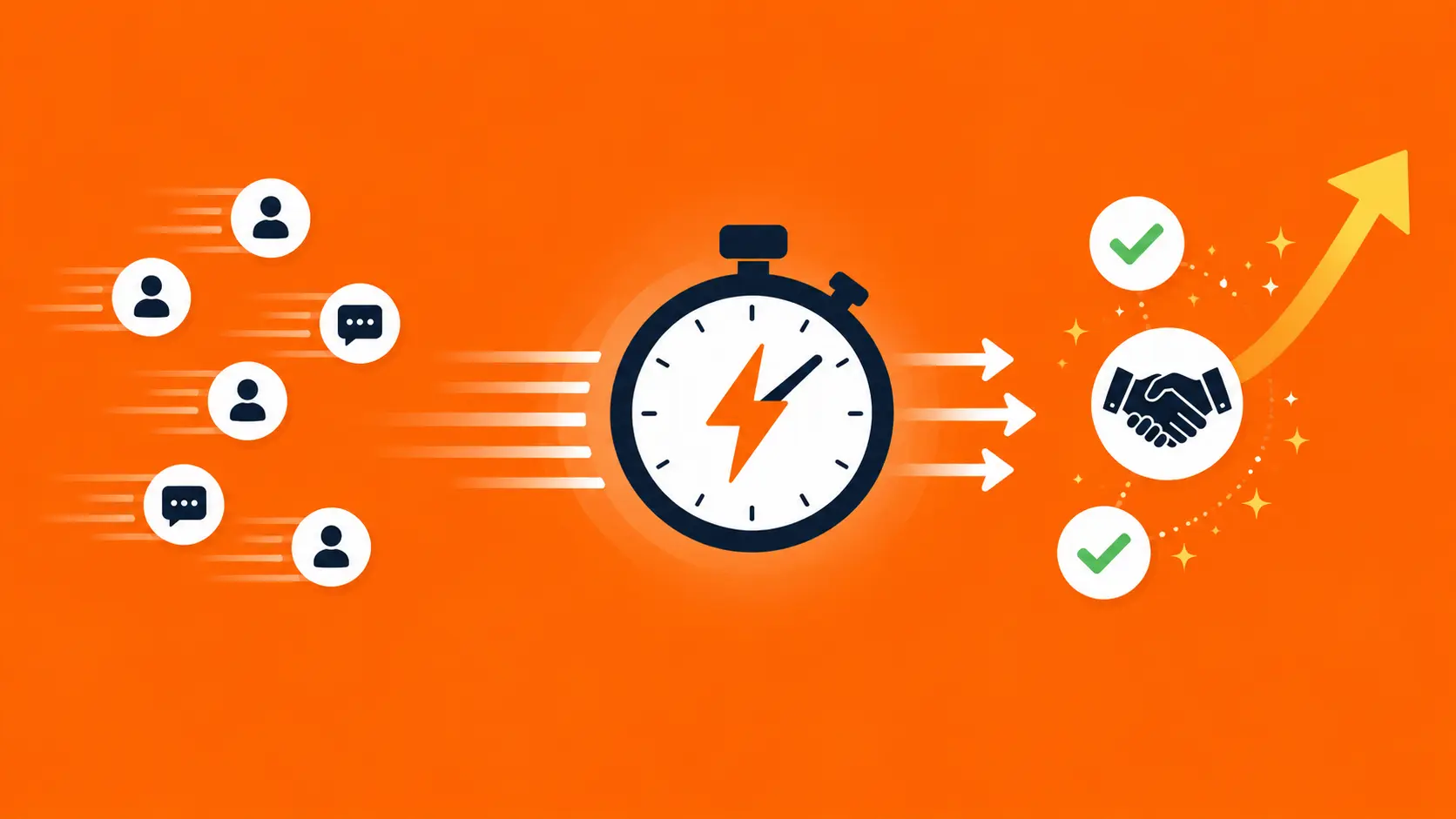
Buyer intent is highest in the moment they are on your page. The longer you wait to respond, the more that intent decays and the more competitors they evaluate. Engaging within minutes — ideally live, on the page — captures intent before it cools.
Look at behavior rather than demographics: visits to pricing, comparison, or demo pages; repeat sessions; time spent on product pages; and actions like starting (but not finishing) a signup. These signals flag visitors worth a proactive, live conversation.